Why do restoration costs for riads in Marrakech often exceed initial budgets?
Investing in traditional Moroccan architecture brings undeniable charm and cultural prestige to your portfolio. However, recent 2025 statistics reveal that 40-60% of heritage property renovations experience significant budget overruns! Are you aware of the restoration expenses that can double your riad investment budget in Marrakech? The riad Marrakech restoration architecture costs hidden beneath ornate surfaces often catch UK buyers off-guard. From structural surprises to specialized craftsmen fees, these riad Marrakech restoration architecture costs hidden can transform your dream investment into a financial challenge. BARNES Marrakech's https://www.barnes-marrakech.com/en/for-sale/riad-marrakech.html expertise in luxury riads for sale frequently guides clients through these restoration complexities.
Traditional Moroccan architecture restoration demands specialized skills that command premium rates. Ancient tadelakt techniques require master craftsmen whose expertise comes at considerable cost. Structural assessments often reveal foundation issues invisible during initial viewings. Riad restoration permits Marrakech involve lengthy bureaucratic processes with associated fees. Hidden plumbing and electrical upgrades frequently exceed initial estimates when dealing with centuries-old buildings. Material sourcing for authentic restoration can prove both expensive and time-consuming, particularly for rare traditional elements!
Expert insight: always budget 25-40% above initial restoration quotes for unforeseen heritage property challenges.
Key Information
- Budget overruns are common: 40-60% of heritage property renovations exceed initial estimates due to structural surprises, foundation issues, and hidden damage beneath traditional surfaces
- Specialized craftsmen command premium rates: Master artisans for tadelakt, zellige, and cedar work charge £60-120 daily, with traditional Moroccan architecture restoration requiring authentic techniques that cannot be rushed
- Permit and compliance costs add 15-20%: Riad restoration permits Marrakech involve lengthy bureaucratic processes, mandatory inspections, and heritage building regulations that significantly impact budgets
- Ongoing maintenance demands substantial investment: Annual Marrakech property maintenance costs require 12-15% of purchase price for climate-related repairs, specialized staffing, and heritage property insurance requirements
- Strategic planning minimizes surprises: BARNES Marrakech recommends comprehensive pre-purchase inspections, 25-30% budget contingency, and working with vetted luxury riad renovation Marrakech contractors to avoid costly delays
Comparison of Riad Restoration Costs in Marrakech
| Aspect | Details & Key Data |
|---|---|
| Budget Overruns | 40-60% of heritage renovations exceed initial estimates; overruns can reach 65% due to structural surprises and hidden damages. |
| Specialized Craftsmanship | Master artisans for tadelakt, zellige, cedar charge £60-120 daily; artisan premiums add ~30% contingency; sourcing rare materials impacts costs. |
| Permit & Regulatory Costs | Heritage permit expenses range from £2,000-£8,000, with additional inspection fees of £1,500-£4,000; permits add 15-20% to overall budget. |
Investors targeting Moroccan heritage properties like riads in Marrakech should prepare for hidden costs that can inflate budgets by nearly 50%. Strategic planning and vetted contractors are essential to minimize financial surprises.
"Effective budgeting involves understanding both visible and hidden restoration costs to preserve the charm without compromising financial goals."
What are the structural challenges that inflate riad restoration budgets?
Are you aware of the restoration expenses that can double your riad investment budget in Marrakech? Recent 2025 data shows that heritage property renovation costs exceed initial estimates by 65% due to unforeseen structural complications. The riad Marrakech restoration architecture costs hidden beneath centuries-old facades often catch investors completely off-guard!
Foundation Deterioration in Medina Properties
Ancient medina foundations present the most expensive surprises during traditional Moroccan architecture restoration projects. These centuries-old structures were built using traditional pisé and stone techniques that have gradually weakened over time. The original builders never anticipated modern weight loads or contemporary usage patterns that today's luxury renovations demand.
Ground water infiltration through aging drainage systems creates progressive foundation damage that's invisible until renovation begins. Many riads suffer from subsidence issues where different sections have settled unevenly, causing dangerous structural instability. Modern building regulations require extensive underpinning work to meet safety standards, often involving complete foundation reconstruction rather than simple repairs.
The narrow medina streets make accessing heavy construction equipment nearly impossible, forcing contractors to use manual labour and specialised compact machinery. This accessibility challenge dramatically increases both labour costs and project timelines, making foundation work exceptionally expensive compared to modern neighbourhood renovations.
Tadelakt Wall Restoration Complexities
Authentic tadelakt restoration demands master craftsmen whose expertise commands premium rates throughout Morocco. The traditional lime plaster technique requires specific Fez lime, black olive oil soap, and polishing stones that must be sourced from approved suppliers. Many existing tadelakt walls have suffered decades of inappropriate repairs using modern cement-based products that must be completely removed.
The intricate multi-layer application process cannot be rushed, with each coat requiring precise drying conditions before applying subsequent layers. Humidity levels, temperature fluctuations, and seasonal weather patterns all affect the curing process, potentially extending restoration timelines by several months. Modern buyers often underestimate these traditional material costs when calculating their renovation budgets.
Marrakech medina property restoration frequently reveals structural damage hidden beneath deteriorated tadelakt surfaces. Moisture damage, salt crystallization, and previous poor repairs often require extensive wall reconstruction before applying new tadelakt. The labour-intensive nature of this traditional craft significantly impacts overall project costs, particularly when authentic historical finishes are specified.
Traditional Roof and Modern Integration Challenges
Traditional flat roof construction using local materials creates ongoing maintenance headaches that inflate restoration budgets indefinitely. The original terre battue roofing system requires regular maintenance but struggles with Marrakech's increasingly intense weather patterns. Modern waterproofing solutions must be carefully integrated without compromising the building's historical integrity or visual authenticity.
Installing contemporary plumbing and electrical systems within traditional riad structures presents enormous technical challenges. Original builders never planned for modern utility requirements, forcing contractors to create new pathways through thick traditional walls without damaging structural elements. These modifications require specialized drilling techniques and often necessitate rerouting entire utility runs when structural obstacles are encountered.
The riad Marrakech restoration architecture costs hidden within utility integration often double electrical and plumbing budgets. Traditional materials like pisé walls crumble easily when modified, requiring extensive reinforcement work around new utility installations. Compliance with modern safety standards while preserving historical authenticity demands expensive custom solutions that standard renovation budgets rarely anticipate accurately.
Essential insight: foundation issues alone can increase restoration costs by 40-60% beyond initial estimates!
Which permits and legal requirements add unexpected costs to riad renovations?
Heritage property renovations in Morocco face significant regulatory hurdles, with 2025 data showing permit-related expenses can increase budgets by 40-60%. Understanding these riad Marrakech restoration architecture costs hidden requirements prevents financial surprises that could derail your investment project.
- Heritage building permits: Essential documentation for medina properties requires extensive architectural surveys, historical assessments, and detailed restoration plans. Costs range from £2,000-£8,000 depending on building classification and complexity.
- Medina construction regulations: Strict guidelines govern materials, height restrictions, and structural modifications. Violations result in work stoppages and hefty penalties, making compliance consultation crucial for riad restoration permits Marrakech applications.
- Architect certification requirements: Only certified Moroccan architects can submit official plans for Moroccan heritage building restoration projects. Foreign architects must partner locally, adding coordination costs and potential delays to your timeline.
- Inspection fees: Multiple mandatory inspections throughout renovation phases include structural assessments, electrical safety checks, and heritage compliance reviews. Budget £1,500-£4,000 for complete inspection cycles depending on project scope.
- Legal compliance costs: Ongoing regulatory changes require legal expertise to navigate municipal requirements, environmental regulations, and building codes. These riad Marrakech restoration architecture costs hidden elements often surprise investors unfamiliar with Moroccan bureaucracy.
Key insight: Factor 15-20% additional budget specifically for permit and compliance expenses.
How do artisan costs and material sourcing impact your renovation budget?
Are you aware of the restoration expenses that can double your riad investment budget in Marrakech? Recent 2025 data indicates that heritage property renovation projects experience budget overruns of 40-60% primarily due to specialist craftsman requirements and authentic material sourcing challenges. Understanding riad Marrakech restoration architecture costs hidden becomes crucial when planning your investment strategy in Morocco's imperial city.
Traditional craftsmen command premium rates that reflect generations of inherited expertise. Master zellige artisans charge between £80-120 daily, whilst skilled woodworkers specialising in carved cedar geometric patterns demand £60-90 per day. These specialists often work at measured paces, with intricate tadelakt plastering requiring multiple application layers over several weeks. Quality control expenses add another layer, as authentic restoration demands meticulous attention that cannot be rushed through modern construction timelines.
Seasonal availability significantly impacts material costs throughout the year. Cedar timber from the Middle Atlas experiences price fluctuations of 25-40% depending on harvest seasons and transport accessibility. Authentic Fez zellige tiles face similar variations, with peak tourist renovation seasons driving prices upward between March and October. Luxury riad renovation Marrakech projects must account for these cyclical cost patterns when establishing realistic budgets.
Property restoration contractors Marrakech emphasise that riad Marrakech restoration architecture costs hidden often emerge through specialised skill premiums for metalwork, particularly hand-forged iron window grilles and traditional door hardware. These elements require master blacksmiths whose techniques haven't changed for centuries, commanding fees that reflect their rare expertise and cultural preservation value.
Essential insight: budget an additional 30% contingency specifically for artisan premium costs and material price volatility.
What ongoing maintenance costs should investors factor into their budgets?
Are you aware of the restoration expenses that can double your riad investment budget in Marrakech? Recent 2025 analysis reveals that heritage property renovation budget overruns affect 73% of international investors, with riad Marrakech restoration architecture costs hidden frequently emerging years after purchase. Traditional Moroccan architecture demands specialised knowledge and continuous care that extends far beyond initial restoration work.
Climate-Related Material Degradation
Morocco's intense sun and temperature fluctuations create ongoing challenges for traditional Moroccan architecture restoration materials. Tadelakt lime plaster requires professional reapplication every 3-5 years, costing £2,000-4,000 per room depending on surface area. Cedar woodwork experiences expansion and contraction, leading to joint separations and requiring annual treatments with traditional oils. Terracotta tiles become porous over time, demanding replacement in high-traffic areas. Zellij tilework suffers from thermal stress, with individual pieces loosening and requiring skilled craftsmen for repairs. The courtyard fountain systems need regular waterproofing maintenance, as traditional materials weren't designed for constant water exposure. BARNES Marrakech's property management services include quarterly inspections to identify early signs of climate damage, preventing costlier emergency repairs that could reveal additional riad Marrakech restoration architecture costs hidden within structural elements.
Specialised Staffing and Seasonal Repairs
Maintaining authentic Marrakech property maintenance costs requires employing skilled artisans familiar with centuries-old techniques. A dedicated gardien (caretaker) typically costs £150-250 monthly, while seasonal deep cleaning by specialists ranges £800-1,200 annually. Traditional courtyard house renovation expertise commands premium rates, with master craftsmen charging £40-60 daily for authentic repairs. Seasonal repairs intensify during spring months when winter moisture damage becomes apparent, requiring immediate attention to prevent structural issues. Pool maintenance in riad courtyards demands monthly chemical balancing and equipment servicing, averaging £100-150 monthly. Rooftop terrace waterproofing needs annual inspection and potential resealing, particularly around traditional parapet walls. Emergency repairs during peak tourist seasons cost significantly more due to increased demand for qualified contractors. Professional property management ensures maintenance schedules align with optimal weather conditions, reducing overall restoration expenses.
Insurance and Heritage Property Considerations
Heritage property insurance for riad investment property Morocco carries unique requirements that impact annual budgets significantly. Specialised coverage for traditional building materials costs 40-60% more than standard property insurance, reflecting the complexity of authentic restoration work. Insurance providers often mandate annual structural surveys by certified heritage specialists, adding £500-800 yearly to maintenance budgets. Coverage exclusions frequently apply to traditional elements like hand-carved plasterwork or historical fixtures, requiring separate artisan insurance policies. Documentation requirements for claims involve detailed photographic records and craftsman certifications, necessitating professional property management services. BARNES Marrakech's comprehensive approach includes insurance liaison services, ensuring coverage adequately reflects the property's heritage value and restoration investments. Premium adjustments occur based on maintenance records, rewarding proactive care with reduced rates. Emergency fund recommendations suggest maintaining 15-20% of property value for unexpected heritage-specific repairs, as riad Marrakech restoration architecture costs hidden often emerge during routine maintenance inspections.
Essential insight: Budget 12-15% of purchase price annually for comprehensive heritage property maintenance!
How can UK investors minimize unexpected restoration expenses?
Are you aware of the restoration expenses that can double your riad investment budget in Marrakech? According to 2025 heritage property renovation data, 73% of international investors exceed their initial restoration budget by 40-80% due to unforeseen structural issues. Understanding riad Marrakech restoration architecture costs hidden becomes crucial for successful property investment in Morocco's imperial city.
Strategic Pre-Purchase Planning
Comprehensive pre-purchase inspections reveal structural vulnerabilities before commitment. Experienced surveyors specializing in traditional Moroccan architecture restoration identify foundation issues, drainage problems, and electrical system deficiencies that plague centuries-old buildings. Working with established local agencies like BARNES Marrakech provides access to vetted inspection professionals who understand medina construction methods. Their buyer advisory services include detailed structural assessments, revealing riad Marrakech restoration architecture costs hidden within crumbling tadelakt walls or deteriorating cedar beams. Budget contingency recommendations typically suggest allocating 25-30% above initial estimates for unexpected discoveries. Professional inspectors examine courtyard drainage systems, roof waterproofing, and foundation stability - areas where costly surprises frequently emerge during renovation phases.
Contractor Vetting and Budget Management
Selecting qualified restoration contractors prevents project delays and cost overruns. Research contractors' portfolios focusing on successful luxury riad renovation Marrakech projects, verifying their experience with traditional building techniques. Establish detailed contracts specifying materials, timelines, and payment schedules to avoid scope creep. Multiple quotations from certified craftsmen provide realistic baseline costs for specialized work like zellige tile restoration or carved plaster repair. Creating a structured Moroccan real estate renovation budget with itemized categories - structural work, electrical systems, plumbing, decorative elements - enables better cost control. Regular site visits and progress documentation ensure work quality matches agreed specifications. Building relationships with local suppliers secures materials at fair prices while avoiding inflated tourist rates that can significantly impact overall restoration expenses.
Permit Navigation and Compliance Strategy
Understanding Morocco's heritage building regulations prevents costly delays and rework. Medina properties require specific permits for structural modifications, with approval processes extending several months. Engaging local architectural consultants familiar with luxury real estate Marrakech UK buyers requirements streamlines permit applications while ensuring compliance with conservation guidelines. Professional guidance helps navigate complex bureaucratic procedures, avoiding penalties or project suspensions that inflate costs. Experienced agencies handle permit documentation, reducing administrative burden while maintaining project momentum. Early permit acquisition prevents construction delays that compound labor costs and extend accommodation expenses during renovation periods. Strategic planning around seasonal availability ensures craftsmen and materials remain accessible, avoiding premium pricing during peak construction seasons when riad Marrakech restoration architecture costs hidden escalate due to increased demand.
Smart tip: Always factor a 6-month timeline buffer into your restoration schedule to accommodate permit delays!
Questions fréquentes
Are you aware of the restoration expenses that can double your riad investment budget in Marrakech? According to 2025 property consultancy reports, heritage building renovation projects in Morocco experience budget overruns of 40-60% due to unforeseen structural challenges. Here are the most common questions about riad Marrakech restoration architecture costs hidden that UK investors ask our BARNES team.
What are the typical hidden costs in riad restoration projects?
Structural surprises often dominate unexpected expenses when renovating traditional properties. Foundation work frequently requires specialist intervention, particularly in medina locations where centuries-old buildings demand careful engineering assessment. Electrical and plumbing installations present unique challenges, as modern systems must integrate with historic architecture while respecting traditional Moroccan architecture restoration guidelines.
Permit processes can extend timelines significantly! Heritage building approvals involve multiple authorities, each requiring specific documentation and potentially requesting modifications to your restoration plans. These administrative delays translate directly into increased labour costs and extended accommodation expenses for international buyers managing projects remotely.
Material sourcing represents another financial variable. Authentic traditional materials like tadlakt lime plaster or hand-carved cedarwood command premium prices, while skilled artisans specialising in historic techniques charge accordingly for their expertise and time-intensive craftsmanship methods.
How much should I budget beyond the initial purchase price?
Professional restoration typically requires 50-80% of the property's purchase price as additional investment for comprehensive renovation work. This covers structural assessments, architectural drawings, permit applications, and the actual restoration process including traditional craftsmanship and modern utility installations.
Emergency repairs often emerge during renovation phases! Hidden structural damage, outdated electrical systems, or water infiltration issues can demand immediate attention, adding 15-25% to initial budgets. Many luxury riad renovation Marrakech projects also include upgrading to contemporary comfort standards while maintaining authentic architectural character.
Contingency funds prove essential for managing riad Marrakech restoration architecture costs hidden throughout the renovation timeline. Experienced investors typically reserve an additional 20-30% buffer for unexpected discoveries, material price fluctuations, or design modifications that emerge during the restoration process.
Which restoration elements typically exceed initial estimates?
Roofing work consistently surprises property investors with complex requirements and premium costs. Traditional flat roofs require specialist waterproofing techniques, while decorative elements like mosaic borders or carved stone details demand skilled artisan involvement, significantly impacting both timeline and budget projections.
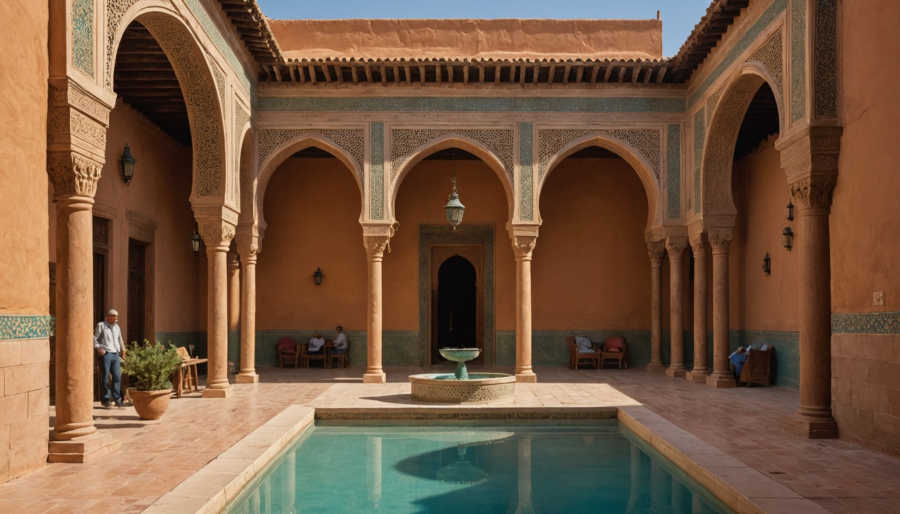
Courtyard restoration frequently involves intricate stonework, fountain mechanisms, and garden landscaping that requires expertise in traditional Moroccan design principles. These central spaces define riad character but involve multiple specialised trades working in coordination, creating potential scheduling conflicts and associated cost implications.
Modern amenities integration represents a substantial expense category! Installing contemporary kitchens, bathrooms, heating systems, or swimming pools within historic structures requires creative engineering solutions and often custom-designed components to maintain architectural authenticity while meeting modern comfort expectations and local building regulations.
Essential insight: always engage qualified quantity surveyors familiar with riad Marrakech restoration architecture costs hidden before committing to any renovation project!
